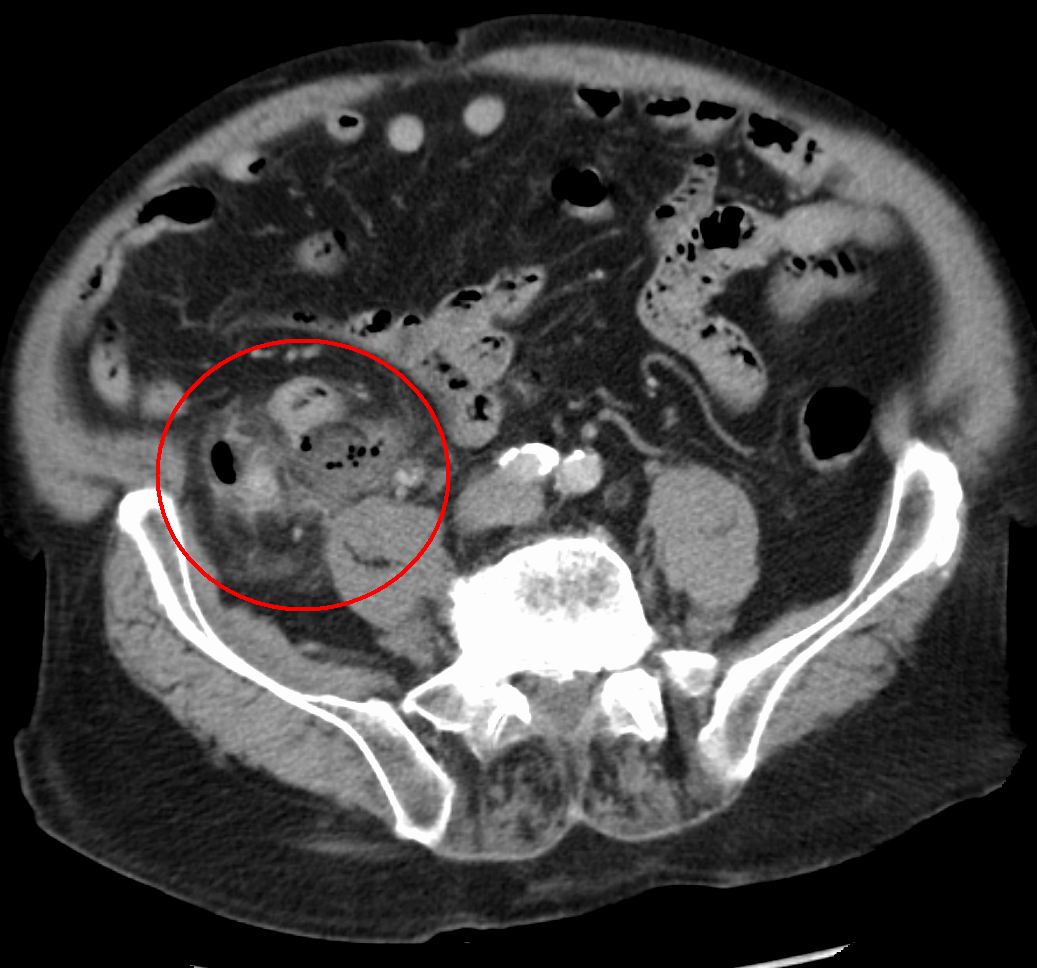
Appendicitis is a common condition that brings many people to the emergency department with sudden abdominal pain. Today, treatment options have advanced far beyond the traditional approach of surgery or antibiotics alone. One of the newest minimally invasive treatments is Endoscopic Direct-vision Appendicitis Therapy (EDAT), a procedure that lets doctors diagnose and treat appendicitis from inside the intestine without making external cuts.
This article will help you understand what appendicitis is, what EDAT involves, and what you should know if you or your loved one is considering this procedure.
Appendix and appendicitis
The appendix is a small, finger-shaped organ attached to the large intestine. Despite its small size, it plays a role in supporting the body’s immune system and maintaining healthy gut bacteria. The organ serves these functions variously by, for example, secreting antibodies such as IgA, as well as serving as a reservoir for beneficial intestinal bacteria that can repopulate the gut flora after gastrointestinal illness.
Appendicitis is a condition characterised by an inflammation of the appendix. This usually happens when something blocks the opening of the appendix, including:
- Hardened stool (“fecalith”)
- Swelling of lymph tissue
- Less commonly, infections or foreign material
When the appendix is blocked, bacteria can multiply quickly to cause swelling, pain, and even infection. Common symptoms of appendicitis are listed below:
- A dull, general pain around the belly button that gradually shifts and localises to the lower right abdomen
- Fever
- Nausea or vomiting
- Loss of appetite
Appendicitis is common and affects around 7–8% of people during their lifetime. If left untreated, it can grow in severity and lead to peritonitis – the inflammation of the peritoneum lining the inner wall of the abdomen. This can further lead to shock and, subsequently, death.
What is EDAT?
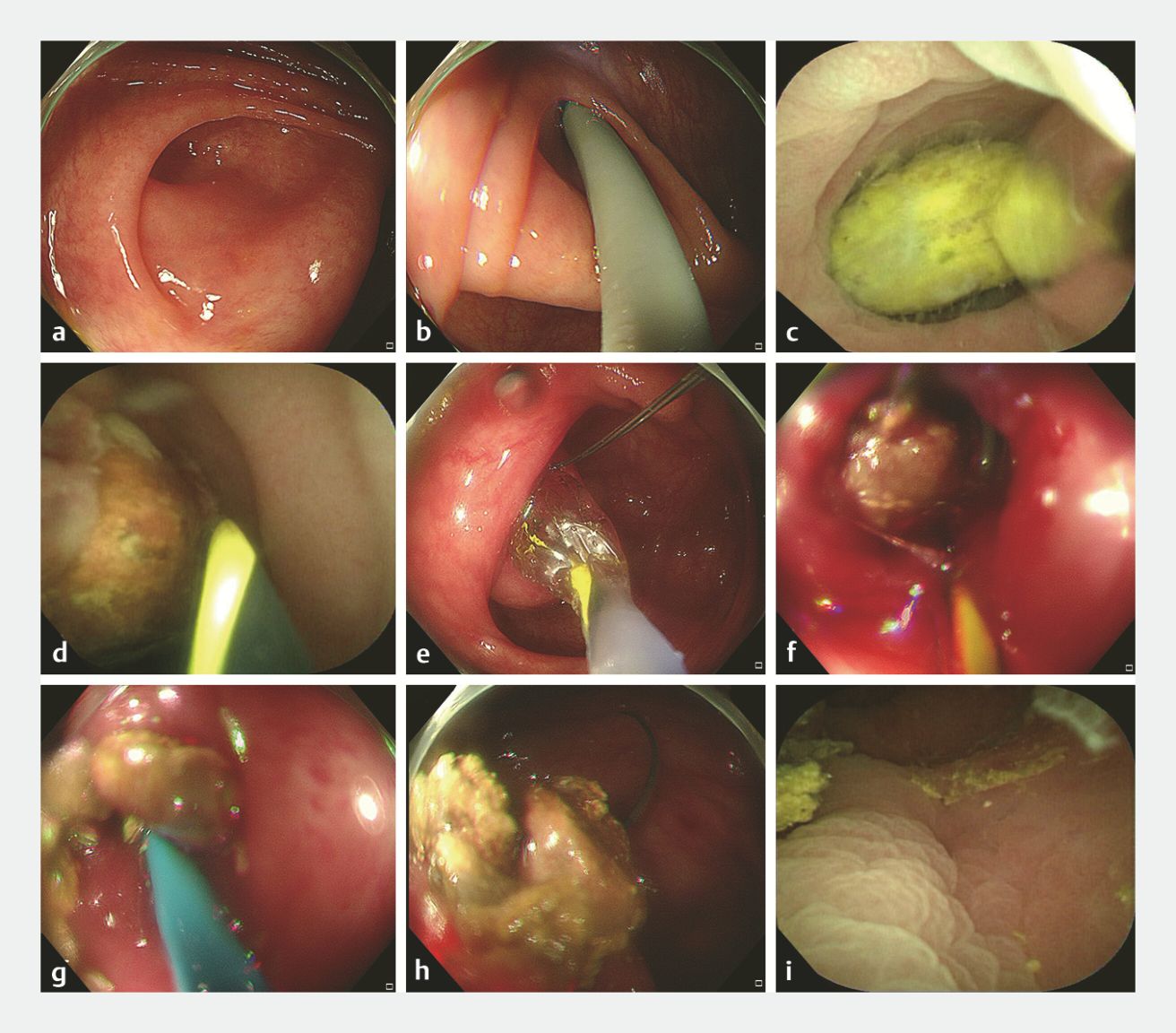
EDAT is a minimally invasive procedure that treats appendicitis from the inside of the digestive tract using an endoscope – a thin, flexible tube with a camera. The procedure replaces abdominal incisions. Instead, the surgeon guides a colonoscope through the large intestine to the opening of the appendix, then directly operates on the organ using tools, with the endoscope providing direct, real-time visualisation of the surgical site.
After blockages such as fecaliths are washed out or removed, a small temporary tube may be placed to allow drainage, before the colonoscope is withdrawn from the body. The entire procedure is done without surgery and without removing the appendix.
How is EDAT better?
EDAT is an innovative option for selected patients with acute, uncomplicated appendicitis. Its benefits include:
- No external cuts: Since everything is done through the body’s natural openings, there are no surgical incisions, and hence no visible scars. As a result, there is also a lower risk of wound infection, and recovery times are shortened accordingly.
- The appendix is preserved: The appendix supports immune function and gut health. EDAT clears the blockage and inflammation while keeping the organ intact.
- Suitable for people who may not tolerate surgery: For some patient populations such as pregnant women and children, EDAT is a more suitable option compared to a traditional appendectomy (i.e. the surgical removal of the appendix).
- Accurate diagnosis: As EDAT allows doctors to directly look inside the appendix, it enables improved diagnostic accuracy, which also translates to more appropriate treatment.
Who is not suitable for EDAT?
EDAT may not be appropriate for:
- Patients with complicated appendicitis (such as perforation or widespread infection)
- Patients who cannot undergo colonoscopy
- Patients with severe heart or lung diseases
- Cases where a tumour is suspected in the appendix or surrounding area
Your doctor will advise you on whether EDAT is safe for your specific condition.
What happens after EDAT?
The vast majority of patients recover well following an EDAT procedure, but it is important for them and their caregivers to continue monitoring their condition. Some common post-procedural conditions include:
- Fever: mild fever is common, but high or persistent fever should be reported
- Abdominal pain: Some discomfort is normal. Pain that worsens or spreads needs medical attention
- Abnormal bowel movement: Blood in the patient’s stool or an inability to pass gas/stool should be reported
In very rare occasions, EDAT may lead to complications such as:
- An infection that remains unresolved
- Internal bleeding
- A perforation (i.e. a hole in the intestine)
The probability of such events occurring are extremely low, but they are significant complications that require attention. Prompt follow-up and monitoring will help prevent these issues.
Information on this site should not be used as a substitute for talking with your doctor. Always discuss with your doctor about diagnosis and treatment information that is specific to your condition.